
🐝 Why Outdoor Apiaries Are Necessary


1. Natural Pollination of Crops
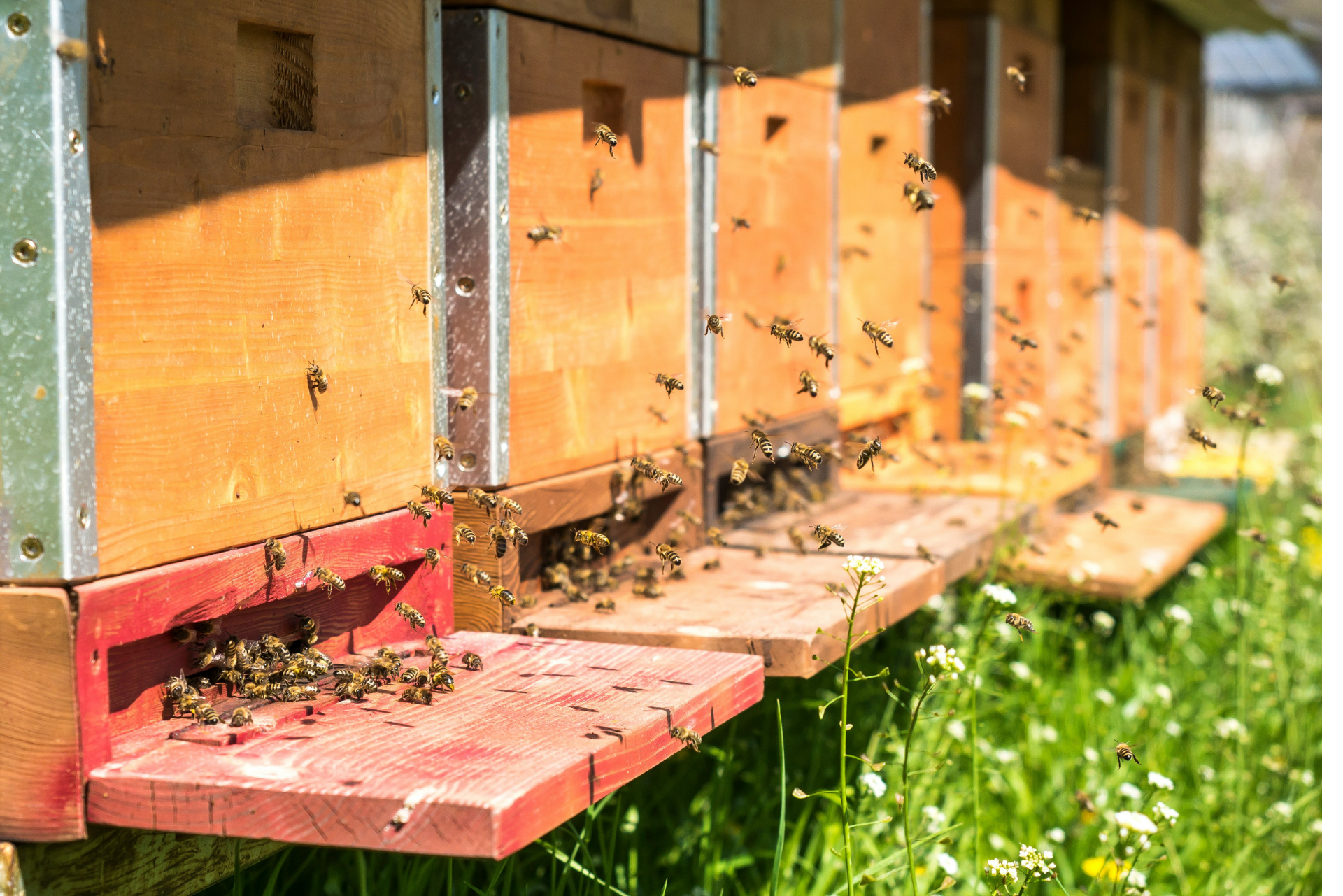
Outdoor apiaries allow bees to:
- Pollinate fruits, vegetables, nuts, and seed crops
- Support agricultural yield and food security
- Maintain genetic diversity in wild plant species
Bees contribute to roughly one-third of the global food supply through pollination.
2. Ecosystem Stability
Wild and managed outdoor colonies:
- Support biodiversity
- Maintain healthy ecosystems
- Help stabilize soil and plant regeneration
Without outdoor pollination, natural ecosystems begin to collapse in stages.
3. Stronger Colony Behavior
Outdoor environments allow bees to:
- Practice natural foraging patterns
- Maintain proper navigation skills
- Develop stronger immune responses through natural exposure
Controlled indoor-only systems cannot fully replicate this.
4. Seasonal Honey Production
Outdoor apiaries:
- Follow natural nectar flows
- Support commercial and local honey production
- Strengthen local agricultural economies
🐝 Why Indoor Apiaries Are Necessary


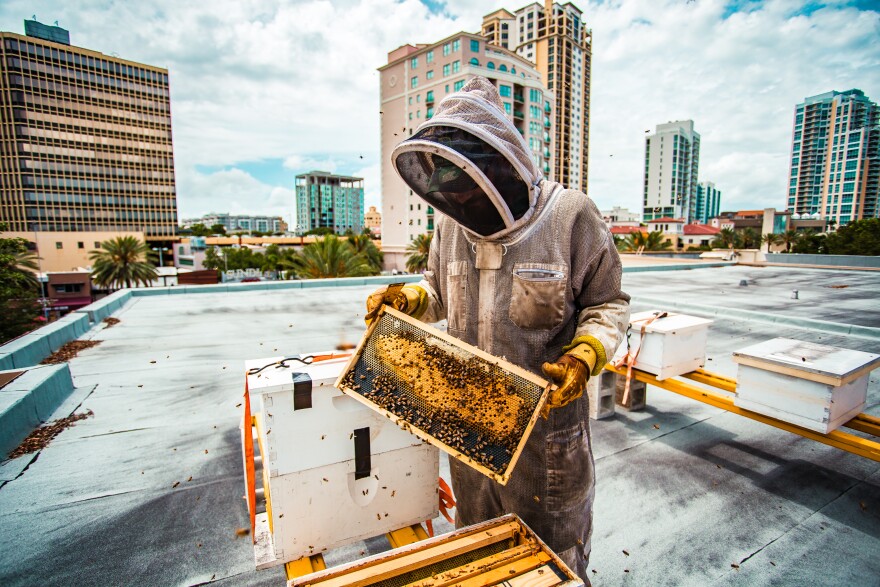
Indoor apiaries are not replacements for outdoor colonies—they are strategic support systems.
1. Climate Protection
Indoor apiaries protect colonies from:
- Extreme heat waves
- Severe cold snaps
- Wildfire smoke exposure
- Heavy pesticide drift
This is increasingly important with climate volatility.
2. Colony Recovery & Rehabilitation
Indoor setups can:
- Stabilize weak colonies
- Isolate disease outbreaks
- Requeen struggling hives
- Support controlled breeding programs
They function like a bee recovery unit.
3. Urban & Controlled Pollination
Indoor or greenhouse apiaries:
- Support year-round pollination in greenhouses
- Allow safe placement in dense urban environments
- Reduce human–bee conflict
4. Research & Innovation
Indoor environments enable:
- Behavioral studies
- Acoustic/vibration research
- Non-lethal displacement testing
- Controlled frequency-response experiments
This aligns with your broader interest in precision environmental control systems.
🌍 Why Both Together Matter
A sustainable bee strategy requires a hybrid model:
| Outdoor Apiaries | Indoor Apiaries |
|---|---|
| Large-scale crop pollination | Climate protection |
| Ecosystem support | Colony rehabilitation |
| Natural genetic strength | Research & innovation |
| Honey production | Urban deployment |
Together, they create:
- Redundancy
- Population stability
- Climate resilience
- Scalable pollination infrastructure